Most people who try automatic writing for the first time expect something to take over their hand like in the movies. It doesn’t work like that, and honestly that expectation is what trips up beginners more than anything else. What actually happens is quieter and slower, and once you understand what you’re really doing, it stops feeling intimidating.
What Is Automatic Writing?
Automatic writing basically means you keep putting words on the page without your logical planning brain stopping each one before it lands. You write quickly enough, or a little loosely enough, that your usual inner filter can’t keep up, and then what shows up often feels a bit uncanny even to you. Some people say it is linked to the higher self or that guides are involved. Others see it as a method for getting closer to the part of you that already knows things, while your nonstop mind keeps drowning it out. You don’t have to solve that whole puzzle right away just to begin. A lot of people practice for years and still don’t decide exactly where the sentences are coming from.
Setting Up Your Space
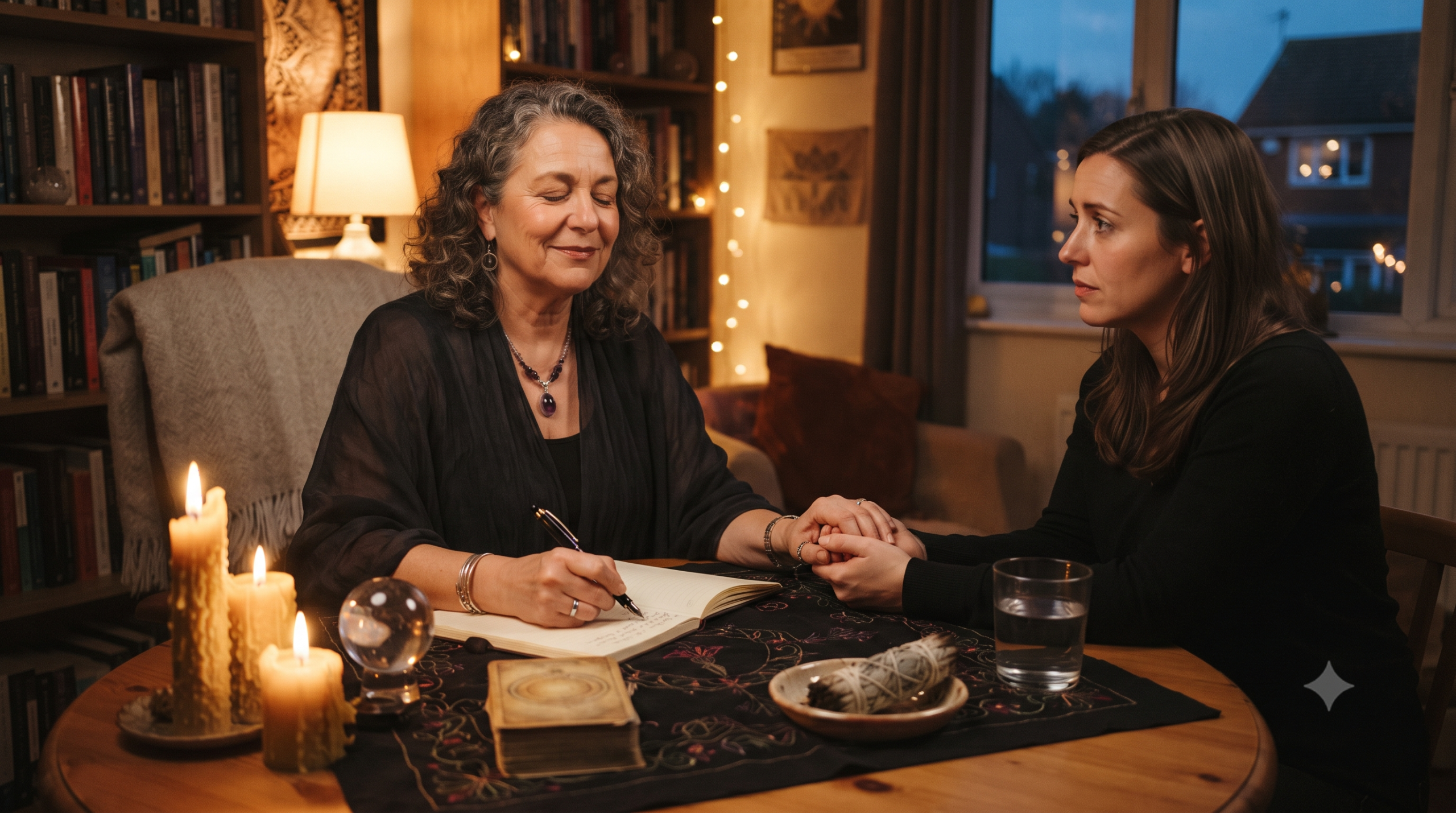
Set yourself up somewhere you won’t be interrupted, phone off or in another room, because even the possibility of a buzz keeps a part of your attention switched on. Some people light a candle or put on quiet music. That’s personal. It’s not required; it just helps some people drop out of work mode.
Pen and paper tends to work better than a laptop when you’re starting, mostly because your hand moving keeps you in your body instead of up in your head. But if you genuinely think faster by typing, use that. Don’t overthink the setup.
Getting Into the Right State Before You Write
Before you write anything, spend a few minutes just breathing and letting your shoulders come down. You’re not trying to blank your mind out, which is impossible anyway and only makes people frustrated. You’re just taking the edge off the mental noise. Then, quietly, tell yourself what you’re open to. Something as simple as asking to receive whatever is for your highest good. It sounds small, but it gives the session a direction and, weirdly, makes it feel safer.
Actually Starting to Write
Here’s the part nobody warns you about properly. The first thing you type is often garbage. You’ll write “I don’t know what I’m doing” or “this is stupid” or just replay the question back to yourself. Do it anyway. Keep the pen moving. The junk is a doorway, not a banner that you’re failing. When you stop to read what you wrote or fix a spelling slip, you’ve given the reins back to the thinking mind and you have to start loosening up again, and again.
A lot of people find it easier to begin with a question. Nothing big. “What do I need to know right now” is enough. Then let your hand respond before you’ve made up your mind about what the answer ought to be. For some folks the writing gets smoother after a few minutes, and starts to feel like it’s running on its own. For other people, that never really shows up for several sessions, and that’s not an issue. It’s just how it goes.
What if Nothing Comes?
Sometimes nothing comes, and that happens to almost everyone. Usually it means the mind is too wound up that day, or you’re straining too hard. Keep the sessions short at the start, five or ten minutes, and do them more often rather than sitting there for an hour forcing it. It builds like any other practice, slowly and with repetition.
How Do You Know It’s Not Just Your Own Thoughts?
This is the question everybody eventually asks, and the real answer is it takes time, and you won’t always be sure, especially at the start. There’s a rough pattern, though. The thinking part is loud, quick, and full of doubt, with that second-guessing loop. The quieter thread tends to feel more composed and gentler, and it often offers a point you didn’t expect, sometimes something you really did not want to hear. Over months you start noticing the shift in your body, instead of having to figure it out purely logically.
Why Learning With a Teacher Changes Everything
You can begin alone, and I would still encourage anyone to just attempt it, but a decent guide saves a lot of unnecessary wandering. That is the honest reason most people end up learning with a teacher, rather than wrestling through videos and half-remembered advice.
Master Sanskritii Sethi teaches automatic writing in a way that feels genuinely made for people who are new to it, so you are never left wondering if you are doing it right. Under her guidance you learn how to guard your energy, how to phrase questions that truly go somewhere, and how to believe what shows up instead of tossing it aside.
Ready to Begin?
If you’d like that kind of guidance rather than figuring it all out on your own, the Automatic Writing Intensive with Master Sanskritii Sethi is designed to take you from a nervous first page to writing with real confidence and clarity.